Community

Come to my land and I will tell you a dreamtime story.

“Pitchama naygooakoo nooragaroo nayooloo nyuntu nga tjukurpa wankahnye”

We believe the iconic sights of the outback are a must see, but it is the people in the communities that make each trip truly memorable.

People, culture and connection

The Indigenous people of the communities we visit are deeply connected in spirit to their lands. Spending time with them gives students insights and experiences that only face-to-face interaction can provide.

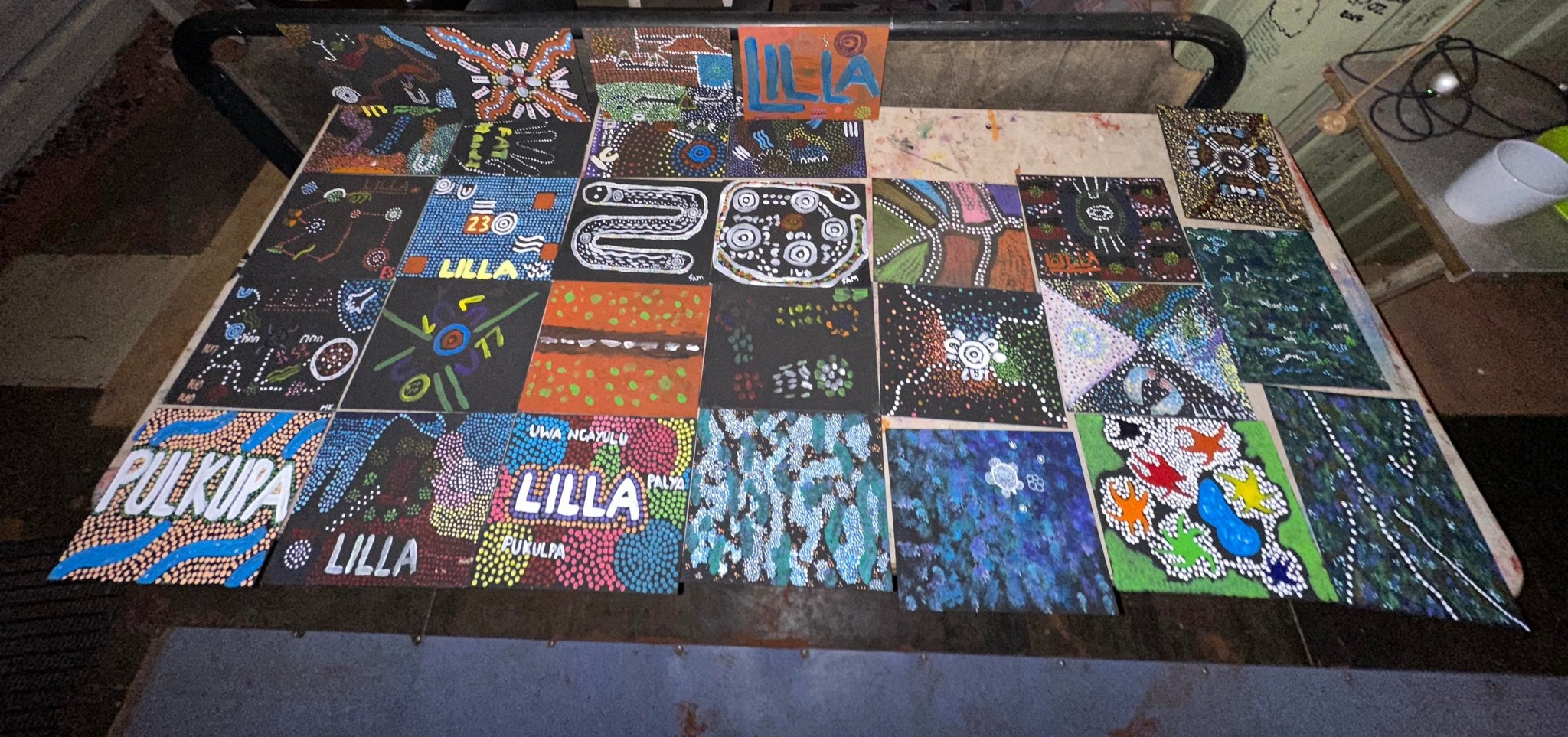
There is something special when local kids and visiting schools interact through play, meal times or class visits. These experiences help break down old barriers and create real friendships.

Remote community visit
Lilla community

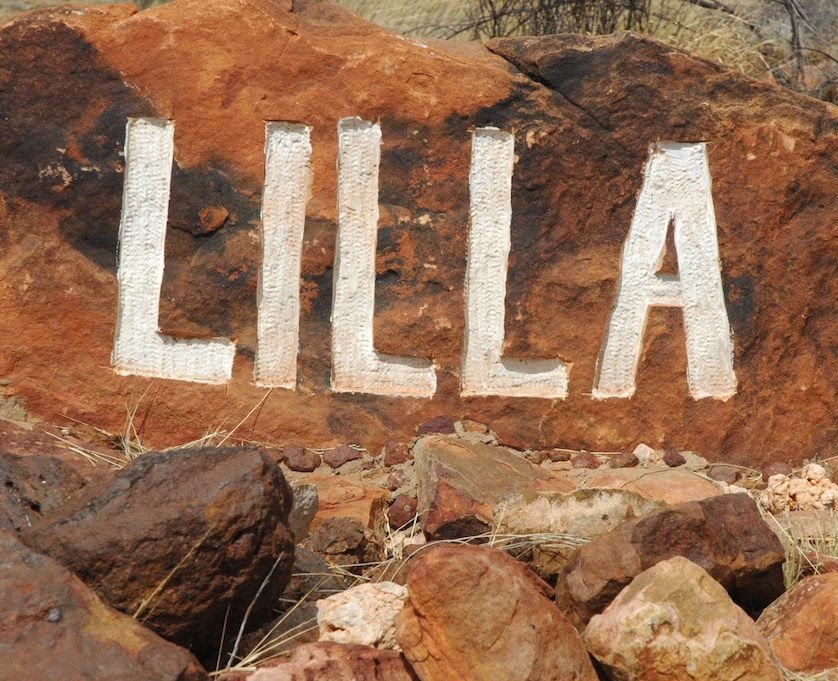
Lilla is an aboriginal outstation community located in the Watarrka National Park. In the native tongue of the Luritja country, Lilla means sweet water. If you visit Lilla you will get a chance drink the best tasting water that has been filtered through the Mereenie sandstone from underground springs.

For twenty years, Reg Ramsden, owner of Remote Tours has been forging a close relationship with the people of Lilla. Reg has spent years with them learning and understanding their traditional culture, and trying to impart that knowledge to the visitors he brings to the area.
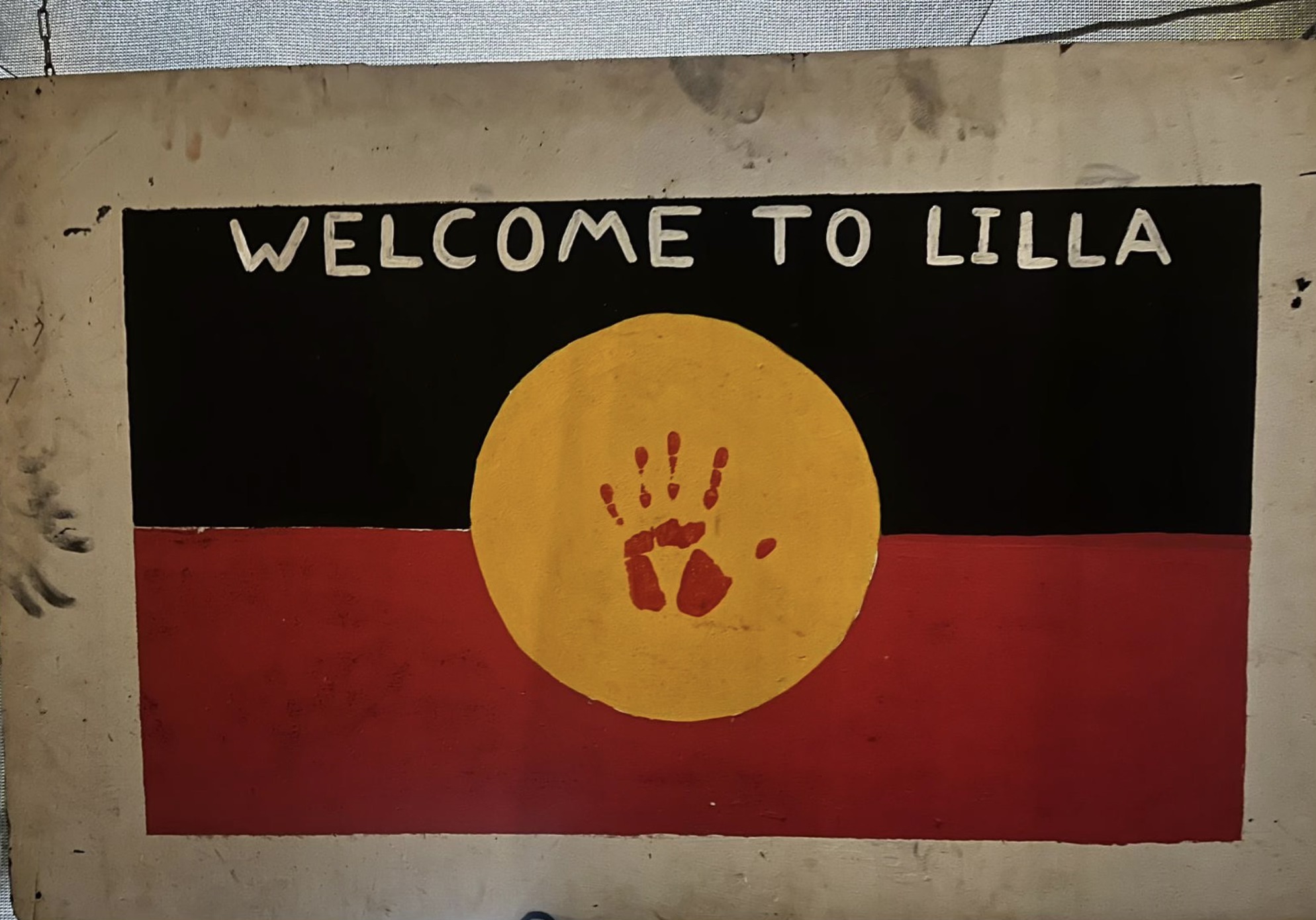
Lilla story told by Sadie

Originally the grandparents were from Yuendumu. Mussolino was getting into trouble for something that is unspoken about. As a result, the family fled to Jay Creek by camel.

Mussolino left his family there where they would be safe. Armed with spears and number 7 boomerangs, he returned to Yuendumu to deal with the problem. He was successful, and on his return he was smothered by happy children.

Ena's husband's father was from the Docker River area and her mother was from Pintupi country. During a journey to sacred initiation grounds between Mount Liebig and Docker River, the two met, married and started a family.

Ena later met her husband and together they had four children. He was granted land rights in 1978, as Lilla was his birthplace. Sadly, he passed away in 1987.


For many years the family lived in a town camp in Alice Springs after their father's death. Following the tragic loss of their sister shortly after midnight on New Year’s Eve in 2000, they eventually moved back to their father’s country at Lilla.

Leo shared stories from the early days when his father and uncle fled into the hills with as much family as possible. They hid in caves while white settlers moved through the area, massacring many of those left behind.

Later, they were taken to Hermannsburg Mission where they were taught English, Christianity and Arrernte language. Despite this, the Luritja language remained strong within the community.

Today the families live in two houses built in 1980. Although the homes are maintained well, they are ageing and require renovation.

Because of the massacres in the region, there are only a small number of Luritja people remaining — perhaps around 500 — spread across communities from Areyonga to Maryvale and down to Ernabella.

Community members hope for more housing in the area so families can return from towns where alcohol abuse and social problems are common, and where connection to culture and history has been lost.

A school was originally opened at Lilla in 1980, however it closed in 1987 after ongoing difficulties and staffing challenges.


With support from student groups and community members, the school reopened in January 2011 — creating another page in Lilla’s history.

Reg is proud to have played a leading role in making this happen. Children from Lilla and nearby communities now once again have access to education closer to home.

Tourism in the area has also helped fund essential services including solar power, lighting, hot showers, cooking facilities and backup generators for cloudy days.

The Mereenie gas fields also provide royalties to traditional owners, as the gas is extracted from their land.

“Pitchama naygooakoo nooragaroo nayooloo nyuntu nga tjukurpa wankahnye.” Come to my country and I will teach you a dreamtime story.

The people of Lilla are proud to share and teach their Tjukurpa (Dreamtime stories) with visitors who come respectfully to learn.

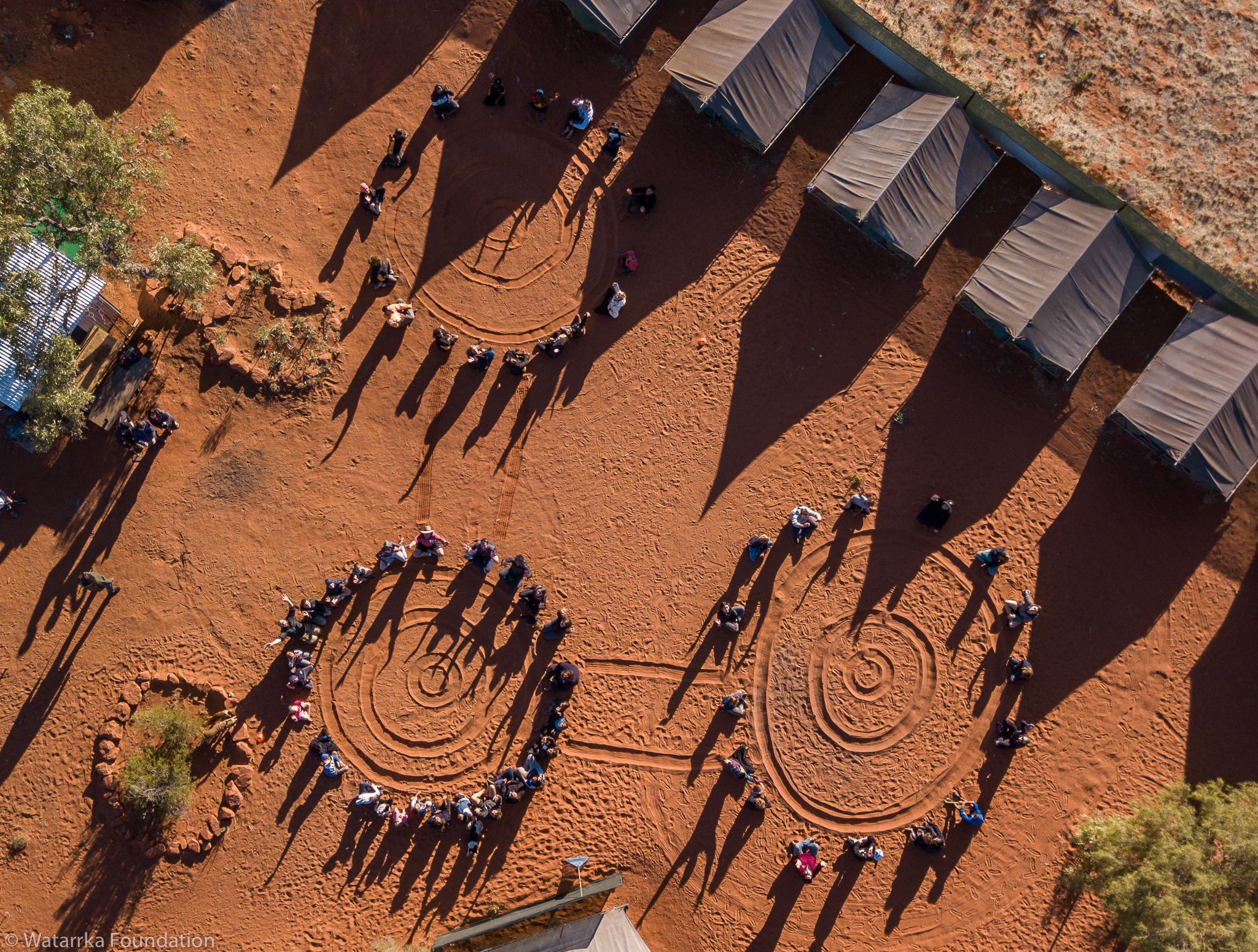
Lilla 3 circlesstory told by Sadie

The sacred story of Lilla is drawn with 3 circles

Each circle is joined by 2 connecting lines. The circles represent sacred areas. The 1st circle is Women’s area. This is where women gave birth, no men were allowed to enter. It is near water for cleaning the mother and new born baby. The 2nd circle is the Men’s sacred area. This is where younger boys would be taken for initiation and to learn. The 3rd circle (and part of the reason for the massacre) is the sacred drinking water. The George Gill mountain Range that makes up the back drop of Lilla, the sandstone from an ancient sea bed. After the sand had been compressed about 360 million years ago there was a massive geological uplift that created the mountain range. The underlying rock is permanently saturated and therefore creates permanent water.

The Lilla Foundation

Over the years working as a tour guide and living in Central Australia, Reg saw that remote Aboriginal communities such as Lilla were neglected, disadvantaged and lacked the support to become self-sustaining. Some of this was due to their remote geographical location, and some due to a lack of coordinated resources and support organisations.

Assisting where he could through his own tour business, Reg found his own support resources were limited. He consulted with the traditional land owners at Lilla to join him and establish the Lilla Foundation in 2012.

Whilst Australia is known for its generous humanitarian projects overseas, Reg believes there is just as much work to be done in our own “back yard” that can make a difference to people’s lives and bridge the gap between Indigenous and non-Indigenous Australians.

The constitutional objects of the Lilla Foundation are:

  • To alleviate and relieve poverty, sickness, destitution and helplessness in the Lilla Community and Watarrka region, particularly among Indigenous Australians.
  • To carry out projects to relieve poverty, sickness, destitution and helplessness in the Lilla Community and Watarrka region, particularly among Indigenous Australians.
  • To provide programs to promote life skills, independence and resilience of persons in need in the Lilla Community and Watarrka region, particularly among Indigenous Australians suffering from poverty, sickness, destitution and helplessness for their long-term social welfare.
  • To raise money from the public and to secure funds to further the objects.

Reg continues to facilitate educational groups to Central Australia where they can “give back” to the local communities they visit. This is done by volunteering to work in community projects whilst staying in the Watarrka area. These projects are initiated and coordinated by Reg, the Lilla Foundation and the local communities.

Because of his philanthropic work through his business and the Lilla Foundation, Reg was an NT finalist for the 2014 Australian of the Year. He hopes this will promote awareness of the issues faced by Central Australian communities and raise further support.

Want to find out more about the Lilla Foundation? Visit: